74 logo program language
logo program language

Coding-Programming Languages Logo Collage | Lisa Boerum 0

C Programming Language Logo, HD Png Download , Transparent Png Image - PNGitem 1

Logo programming language eBook by Su TP - 1230002412399 | Rakuten Kobo United Kingdom 2
Programming Languages Logo - Top 10 Programming Languages To Learn In 2018 - Tessellation this 3

C Programming Language Logo Clipart , Png Download - C Language C Programming Icon Png 4
The Logo Programming Language, a dialect of Lisp, was designed as a tool for learning. Its features - interactivity, modularity, extensibility, flexibility of data types - follow from this goal. Interactivity Although there are some versions of Logo that compile, it is generally implemented as an interpreted language. 5

programming-languages-logos - npm 6
50 Programming Language Software and Technology Logo Svg File | Etsy 7

Smalltalk Programming Language Logo PNG Image | Transparent PNG Free Download on SeekPNG 8
The Top Programming Languages 2016 - Darshita Patel - Medium 9

Website Coding 101: Web Programming - Matter Design 10
C# Programming Language Logo Microsoft Visual Studio .NET Framework, PNG, 800x800px, Programming 11
Download Programming Language Logo Icon pack - Available in SVG, PNG, EPS, AI & Icon fonts 12

HTML 5 programming language logo Tank Top by UnitShifter | Redbubble 13
Programming Language Computer Programming Logo Computer Science, PNG, 1920x675px, Programming 14

python programming language logo in 2021 | Language logo, Python programming, Python 15
Programming Language Computer Programming Programmer Logo, PNG, 793x508px, Programming Language 16
The Rise of Modern Programming Languages | by Chrispine Chiedo | The Andela Way | Medium 17
C++ Programming Language Icon, PNG, 1600x1600px, Programming Language, Blue, Brand, Computer 18
C programming | GoodWorkLabs: Big Data | AI | Outsourced Product Development Company 19

Free Download Logo Programming Language - The C++ Programming Language Programmer Computer 20

Detail Page Image Thumbnail - Programming Languages Icon Png, Transparent Png , Transparent Png 21
Javascript Programming Language Logo, HD Png Download - kindpng 22

R Official Logo Programming Language Canvas Print by rainwater11 | Redbubble 23

Getting to know the R programming language | WorkingNation 24
Can one programming language work in every field? - Quora 25

How programming languages got their names : computerscience 26
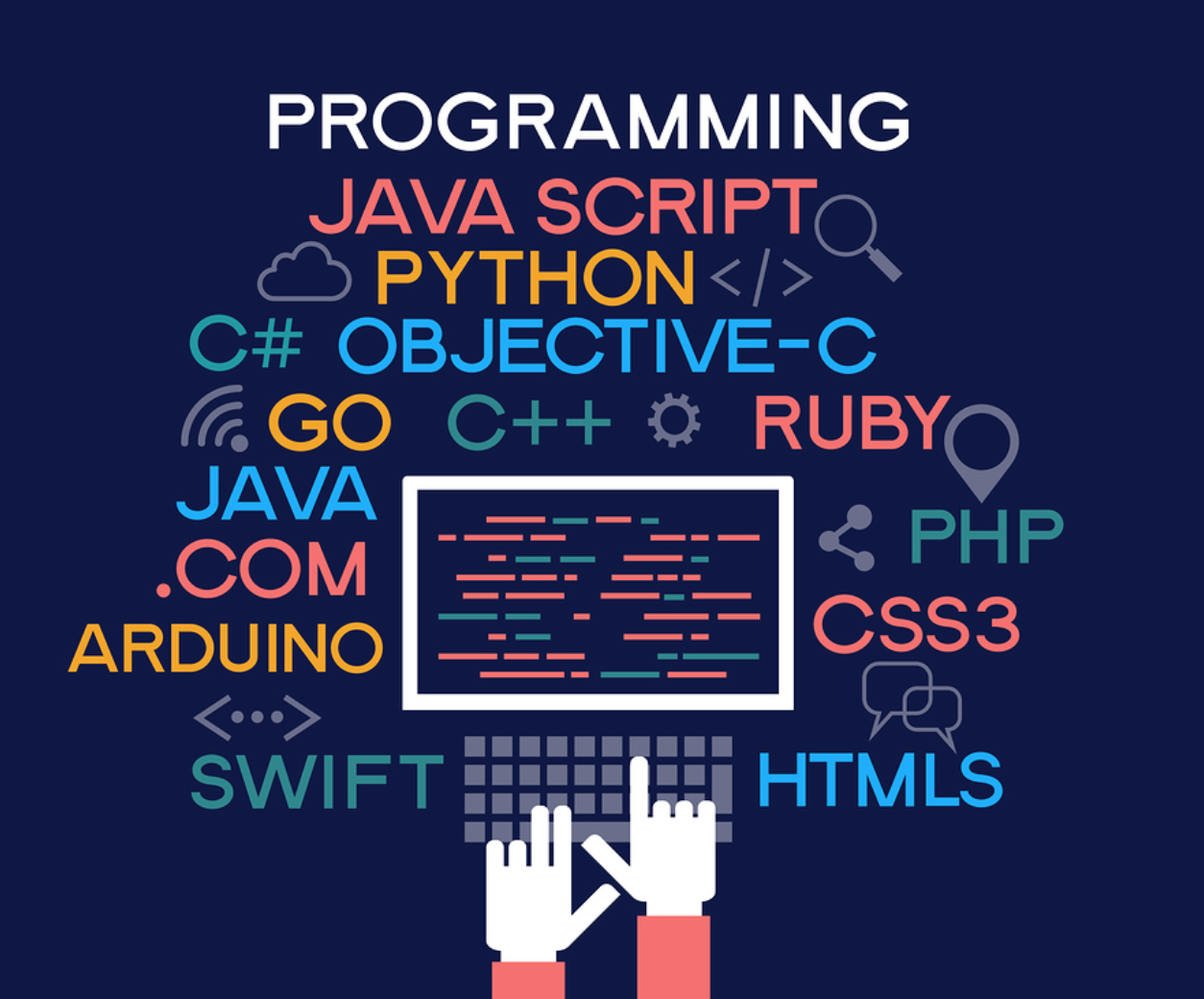
How to learn all programming languages, YES! ALL! 27
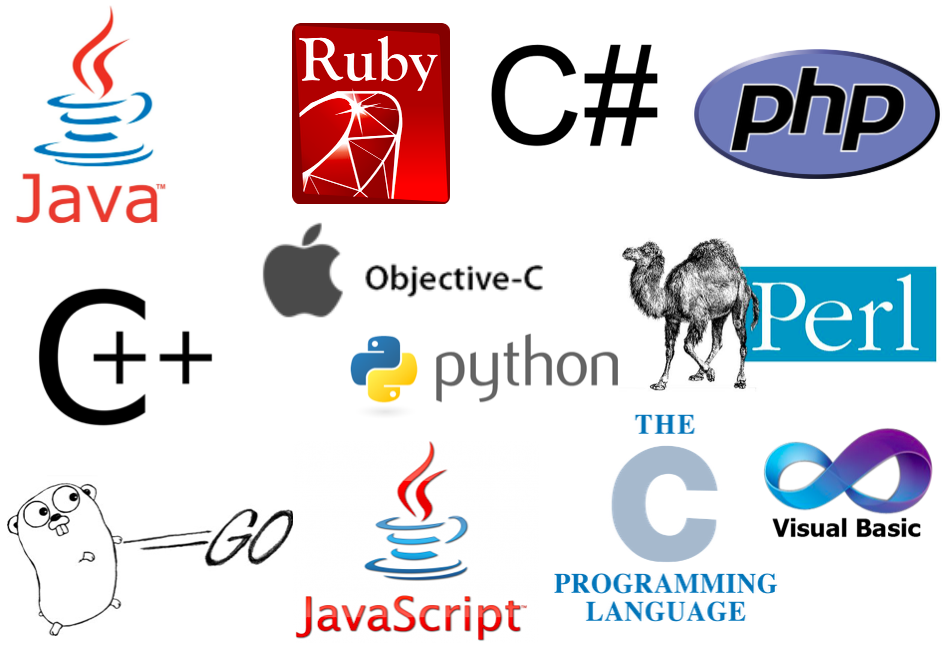
Are You Wanting to Learn a Programming Language? Read Before Your Make a Choice - SysTutorials 28

Does Programming Language Popularity Matter? 29
Top 10 Programming Language to Learn in 2021 | Thatsitedude 30

Python Programming Language Logo Png - Wallpaper Images Android PC HD 31

Official Python Programming Language Logo - Python Logo - Mug | TeePublic 32

Download Programming Language Logos Icon pack Available in SVG, PNG & Icon fonts | Language logo 33

Java Logo, Programming Language, Selenium, Computer Software, Java Class File, Computer 34
[Music], all right can i get my eyes just right, hmm so, this one do the trick, my beautiful face clear stop buzz, hey mackie what you up to, i found this logo book in the library, and thought you know i'll grow me but uh, i was going for realism i got abstract, instead, well you're off to a pretty good start, let me see if i can help you a little, bit, let's just change this command here, all right let's try it now, wow it's perfect a masterpiece this logo, program is pretty neat i can make, anything happen on an apple too loco is, a great environment for learning how to, program, it sounds like we need to go over what, logo is, and how it became a key part of the, computer education curriculum throughout, the 80s and 90s, oh yeah let's go, [Music], logo was a revolutionary program of its, time, it gave users the ability to create art, on their home computer without the need, for a mouse or a drawing pad, through logo's simple commands you're, able to move your cursor around the, screen and create drawings and graphics, like magic, many educators saw logo as an excellent, tool to tie the creative arts, mathematics and problem solving skills, together so let's hop into logo on the, apple 2gs and get a sense of what, millions of students used back in the, 80s and 90s, so this is the logo interface, you're given a play field at the top of, the screen and this is where you'll be, moving your cursor and creating your, magnificent works of art, down at the bottom you have the command, input here's where you can enter simple, commands and move the cursor on the, screen, and finally you have the cursor in logo, this cursor is known as the logo turtle, represented by an arrow, mainly due to the graphical limitations, of the apple ii, you take control the turtle using the, commands typed at the bottom of the, screen the turtle will be our avatar in, the computer world, from here we can type commands like, and forward 10., you can move your turtle's pen down and, start drawing and then walk them forward, 10 steps drawing a line on the screen, and you can type in more complex, commands like, write 90, forward 100, right, 94 100., and you can get your turtle to move in a, more complex path, oh, let me try, there you go mackie, that's a neat trick i learned from this, book i found it on your desk, mindstorms, that's where that book wins yes daddy, let's go for mindstorms and how it, changed the landscape of computers and, education but first we've got to get, this 2gs out of the way, mindstorms published in 1980 was written, by dr seymour pappert one of the, creators of logo and a mathematician at, mit, in his book dr papper tells us his, vision of future computers and how they, can lead to a revolution in the world of, education he saw computers as an, inevitable and essential part of, everyone's lives in the future, dr pappert believed that through, computers the structure of how children, would learn would change entirely, so what i'm hearing from dr pappard is, we should be playing games every day but, uh i'll change the way people learn, well paper was trying to solve a few, problems that he noticed throughout the, 60s and 70s there his research at mit, he noticed there's a growing number of, students and adults who had trouble with, math or science who labeled themselves, as, not a math person or not a science guy, he also saw people were afraid of, exploring creative endeavors such as, music or art who simply labeled, themselves as, not artistically inclined or tone deaf, he believed that this way of thinking, was self-limiting preventing one from, exploring math art or science simply, because they label themselves as not, good at it from an early age, it's true my art is wonderful but i've, always wanted to be a mad person too, you must have been onto something about, this, in mindstorms, pepper proposed that computers could, break what he called a math phobia, epidemic, to do this he presents the concept of, teaching mathematics like one would, teach a foreign language, in order to quickly learn the language, like french one could travel to france, and immerse themselves in the french, language, s squared plus b squared equals, in mindstorms he took this idea of, learning through immersion and, postulated that through computers, children could immerse themselves in a, math land where one would need to use, mathematics geometry and logic to, navigate the world, once students were immersed in this math, land, dr pappert believed that mathematics, would no longer seem as foreign, but would seem like something familiar, and more natural to the students, papert also thought this technique could, be used similarly for other subjects, allowing students to communicate, concepts with the help of computers, through his research he noted that, successful children were the ones that, could build what he called, intellectual structures, essentially the mental tools needed for, a child to become a self-learner, pappard saw that the cause of math, phobia, was that children weren't given the, proper mental tools to work with when, introduced to math, math phobia, those numbers could be scary so i need, what is a mental tool, good question mackie, as a young boy papert had an infatuation, with cars which grew into an obsession, with gears, he loved creating rube goldberg style, machines using toy gears playing with, the mechanics and physics of how, different size gears interacted with, each other, in school he would imagine gears and, simple mechanics to help him solve math, problems, i sometimes imagine a stack of pods when, i do math is that kind of a mental tool, exactly mickey gears or in this case, pogs are simply a mental image or an, object to think with that can be used to, get a better understanding of a subject, paper thought that by giving students an, object in the world of logo to think, with will be perfect to teach children, about mathematics, for many people including myself, logo is one of my first programming, experiences, i remember feeling a magical awe as i, experimented with different commands, making my turtle draw elaborate shapes, or just fly across the screen as fast, and as crazy as possible, i'm an expert at that, as a kid logo was super exciting i, wasn't just playing a regular video game, i was able to control what was happening, on the screen and create my own graphics, in turn this made using computer and, even computer programming seemed more, approachable and less intimidating to me, as a kid, wow so logo was the thing that got you, into computers without logo there might, not have been a macintosh library, timeline, it's okay mackie, thankfully in this timeline logo is one, of the more popular pieces of, educational software sold in the 80s and, 90s many teachers at the time knew the, importance of computers, but they didn't exactly know how to get, students excited about them except for, playing games, some teachers thought that computers, could be integrated into students, day-to-day curriculum, having them learn reading science and, math, but just on the computer, software developers like the famous mech, made great courseware for practically, every subject that help teachers bring, computers into the classroom for more on, mick be sure to check out our awesome, video on the history of nick many, teachers at the beginning of the, personal computing age in the 1970s, saw computer programming as something to, teach directly to students, these schools focused on teaching the, basic programming language inside a, dedicated instructional period, instead of attempting to integrate, computers into all subjects they would, segregate computer literacy into a, single class just once or twice a week, the exact opposite of what dr papper, thought was the best way, in comes seymour papert's book, mindstorms which arrived in the hands of, educators in 1980, papert's mindstorms provided teachers, with an alternative method to teach, computers in schools, not only could the students begin to, learn computer programming through logo, but hopefully build much needed logic, and problem-solving skills, with mindstorms many teachers saw logo, as a novel tool that could help bolster, the imagination of a new generation of, students hmm but in my storms i see kids, playing with a giant robot with wheels, were they using logo to make the robot, move the turtle was originally a half, dome shaped robot that would roll around, on a giant sheet of paper, it was controlled via a teletype and a, mainframe with a large umbilical cord of, wires connecting to the mainframe, while this large clunky but cute, physical version of logo was great for, paprik's research at mit, he knew there was a need to build a, smaller more portable version of this, logo that can run on popular marketing, computers of the era, papert's mindstorms book proved to be a, hit with educators across the globe, selling almost half a million copies in, its first year publication, the concepts and papert's mindstorms, were bolstered by a second book, called turtle geometry by hal abelson, and andrea de sessa from mit, this book provided an advanced set of, examples and applications for the logo, programming language aimed at the high, school and college level, thanks to mindstorms and turtle geometry, teachers sent hundreds of letters to, papper and his team at mit, expressing how logo was something they, needed in their classrooms, due to this unexpected reaction from the, public, seymour paper and his fellow researchers, at mit created a small company, logo computer systems incorporated or, lcsi in 1981 with the goal of getting, logo into the classroom, their first product was creating a, version of logo for the apple ii the, most popular computer used in schools at, that time, thanks to apple's kids can't wait, program and max apple ii computers were, already in all the schools just waiting, for all that sweet sweet turtle gaming, well that is true mackie the apple ii, proved to be a very popular platform, with educators, but logo wasn't made just for the apple, ii computers yeah but we all know the, best computer to use it on one of the, apple too, so what kind of computers could logo run, on i'd be to fall lowly trs-80 wouldn't, even be able to hack it, well, over the next few years lcsi created, versions of logo for the atari home, computer, the commodore the ibm and yes even the, trs 80. oh and they released one for the, macintosh 2., a few years down the line of course, all the computer manufacturers wanted to, be the next big thing in the home, and having logo on their machines was an, excellent selling point, parents saw logo as a way to use the, computer as a learning tool rather than, the computer just being a games machine, oh man but the games were so much fun, it's pretty neat logo even came out on, those macintoshes, what kind of systems could it run on, logo for the macintosh was originally, developed by lcsi and microsoft for the, 128k and 512k max in, 1986. helping bring logo to the next, generation of machines, there were a few other notable versions, of logo created by different developers, in 1985 a version of logo was released, by expert telegrams called expert logo, which offered an extended feature set, bringing 3d and spherical movements to, the logo language, additionally a more advanced version of, logo, called object logo was released by hal, abelson from mit, this version of logo advanced the, feature set even further bringing object, oriented programming to logo, as well as integration with midi, and even lego robotics integration, we can show all the features of object, logo in a future video, that's pretty neat, any chance that it's a, demo time yet, i think it is time for a demonstration, let's go ahead and look at logo, programming on the apple 2gs which is, the machine that i learned logo on when, i was younger oh yeah, [Music], all right mackie are you ready to show, everyone the basics of logo oh yeah i'm, the logo expert to get your turtle to, make his first steps, type forward, followed by a distance you want your, turtle to move, so let's type forward space 80, and the turtle will move forward a, distance of 80., okay 480, cool now, back 100 enough 4.99, when the turtle gets to the edge of the, screen he'll automatically loop around, but now we just have to wait for the, turtles to traverse 9 000 steps a lesson, has been learned today, never send a turtle on a fool's errand, let's not wait for that to happen again, mackie, so let's get our charles to turn to make, our turtle turn we have to send the left, and right command followed by the, degrees we want our turtle to rotate we, can chain commands together by putting a, space between them giving us the ability, to make more than one move on a line, so mackie, do you want to try demonstrating how to, draw a square in logo, a square sure that's easy let's see, first you gotta clear the screen let's, see yes that's a pro tip, then 480 right 90 480 right 90 480 right, 90 480 tada, nice nice job mackie, so the next important command that we, need to know is the repeat command, and that does just what it says it, repeats the command that is in brackets, right after it, so mackie do you want to create a square, but now use the repeat command, hmm okay let's see each side of the, square is 480 right 90. so i will repeat, that four times, open bracket 480 right 90., close the bracket, awesome mackie, now let's go over some commands and logo, that add some color and pizzazz to your, art, you can change the pen color and, background to one of six different, colors, here's a little cheat sheet on what logo, colors you can use at least on the 2gs, to set the color of the turtle's pen we, use the command set pc, space and the color number we want, to set the background color we use a, similar command set vg, followed by the number that corresponds, to the color we want, oh yeah now this is how you make art, and finally let's go over how to make, simple functions in logo let's create a, circle function mackie oh yeah i always, forget there isn't a circle function, built in, luckily we can use simple commands of, forward and backward and turning to, create a circle of our own, first let's start a function called, circle to create a function you type in, the command edit, space quote circle and this will open up, a blank text editor it's a circle, are we are you writing a letter to the, circle, well functions in logo are defined by, the command to, space the function name, so go ahead and move to a new line and, we can start typing the commands to move, the turtle, okay, so to get the turtle to make a circle, from the book i read a circle is made of, 360 degrees hmm, so if we move the turtle forward one, step and turn them one degree then we, just do that 360 times boom get a circle, good job mackie, now type end at the bottom of the, command and press apple a to save it, now run your circle command by typing, circle circle, it's beautiful, let me see what i can make now and, that's what logo is all about creatively, exploring within the constraints of a, computer, oh yeah ready for some sweet glitter, action well you definitely learned the, ins and outs of logo mackie, many classrooms throughout the 80s and, early 90s used logo as a child's first, introduction to computers, the commands were simple and the results, were instant, many students including myself loved, exploring what you could do on the, computer making crazy or even beautiful, designs, in the end logo maybe was not the, revolutionary teaching tool that dr, papper and his followers envisioned, but lego did change the lives of many, who were lucky enough to experience it, that's a pretty neat story and i'm, really glad logo got you into computers, but there's uh there's just one thing i, don't think many kids these days have, even heard of logo what happened between, then and now, that is a good point maggie, as much as dr pepper wanted his amazing, program to be integrated into all, subjects, there was a disconnect between his, passion for teaching computers and what, teachers themselves knew how to teach, over time logo became something similar, to the basic programming language, something that could be taught, separately with its own instruction time, also as computers became more, graphically advanced, subject-specific computer games inspired, by logo became readily available, if a student wanted to paint a picture, they could use kid pics which had more, multimedia experiences and you can use a, mouse to draw on the screen, if the same student wanted to learn math, a few rounds of math blaster or number, munchers could help their addition and, multiplication skills, oh i guess computers count about groot, logo it's pretty neat to be able to move, a turtle around with some word you type, but i'll be the first to admit running, away from travels is a lot more fun, [Music], while logo may not be as prevalent today, its legacy still lives on, logo initially inspired software, companies to develop subject-specific, software targeted at young students, and there are numerous titles that draw, on the idea that computers should be an, integral part of a young student's, curriculum, years later the mega company lego would, take up the mindstorm mantle for their, product line created to get kids and, teenagers interested in robotics, programming, robots you jumped the fold here miss fox, what's with easier robots, we'll have to save that for another time, mackie ah, so what about learning programming, programming how do students learn today, are you still using boring old basic to, teach kids how to make computer games, it's interesting you should ask that, mackie there's a modern programming, language out there aimed at kids called, scratch, i think you'd really enjoy using it is, it kind of like logo it is a lot like, logo, but teachers and programmers had a lot, more time to think about the best way to, teach computer programming to kids, how about you make your own episode on, it, my own episode that would be super neato, i'll start learning scratch bronto i'm, sure you'll do great mackie, and thank you all for watching our, little overview of the logo programming, language, i hope you all get to try out logo for, yourself, links are available in the description, for a web-based interpreter for the logo, language, also stay tuned for a future episode of, mackie plays scratch, bye everyone we'll see you next time bye, everybody, [Music], you
Ask HN: What's the best Language/IDE to teach a group of kids programming?What's the best language/IDE to use for teaching kids programming in an after-school group setting?
I'm looking for a programming language/development environment that has the following characteristics:
- Runs on Windows
- Includes an IDE
- Free
- Easy to install
- Really easy to do graphics programming without using advanced language features.
- Well documented
To elaborate on the purpose:
I am starting an after-school program to teach kids how to program. The end product of the course will be a simple but fun computer game that the kids can take home and run on their home computers if they wish. The schools computers run Windows, and I will be using their computers.
The course will be targeted towards students in the gifted program at a public school. The students will be 10-13 years old.
I will not consider visual-only programming languages such as Scratch or Alice for this group. If, at a later time, I do a class for younger children I will consider these programs.
This is a non-graded, purely optional after-school class. It is important that the course be fun as well as educational. That is why the focus will be on making a video game.
I want kids to learn how to search reference documentation for an answer to their questions, so a well documented language/api is a must.
I have ruled out the following:
- Scratch/Alice (too visual, perhaps useful for a younger audience)
- LOGO (Not general-purpose enough, again, perhaps useful for a younger audience)
- Lego Mindstorms (too expensive)
- C/C++/Java/C# (too advanced – I would consider these for a 2nd language)
- QBasic (I just wanted to mention this because I taught myself QBasic as a kid. It's obsolete now though)
The following are viable options that I have considered:
- Microsoft Small Basic (I'm leaning towards this)
- Python+pygame (I'm thinking this may be too complicated to start with though, also a
setup headache for kids... what do you think?)
- Hackety Hack (anyone have experience teaching with this?)
- Squeak (seems more complicated than I would like)
- Visual Basic (6.0 is obsolete, but VB.NET is possibly viable, but is the complexity worth it compared to MS Small Basic?)
- Just Basic (not as “polished” as small basic)
I am a Software Engineer, and will be working with an experienced teacher to make this after-school program work. Any other advice would be greatly appreciated!.
,Ask HN: Bootstrapped startup 'forced' to spend $10k. How?Im in an odd situation.
We are a bootstrapped startup. We got a $10k grant to use in startup services, but we cant use it in paying ourselves. And if we don't spend it completely there's a fine we have to pay.
We have to spend the money before the end of July.
Why we asked for the grant in the first place? We thought we need the money to hire developers, but in the end we did the MVP ourselves (I learned to program in rails in the process :)
Being a pre-launch bootstrapped startup, we are not used to spend money like this, so I have been looking in for services that we can pay for 12 months in advance, but they are scarce.
Also I'm looking for some consulting work like web designers for a new logo, get domain names in multiple languages, etc.
Fellow HNers, How can I spend the money? (I have around $8k left).
,Teaching Computer Science to KidsI face a dilemma that I have a gut feeling about, and I'd like some of your opinions to keep my ego in check.
I have an opportunity to teach computer science to a number of children at our local homeschool co-op. The age range is 9-12, and the class is voluntary, so the students are a self-selected group.
The trend in teaching seems to be focused on making computer science more engaging and fun. Usually there is some sort of point-and-click interface to let students easily create multimedia presentations and movies without having to type a single line of code. See www.alice.org, or MIT's Scratch.
My gut tells me that although this method would be extremely popular and engaging, it's mostly a waste of time for those who really want to learn the science, and that those students who don't care to begin with probably won't progress much further after you take the fun tool away. It really feels to me like a dumbing-down.
At the opposite end of the spectrum is my idea, which is to develop an extremely simple virtual computer environment where you can see all parts of the computer in a GUI. You can drill down into individual bytes in RAM and set them (and immediate see the result in the case of video memory), you can see the CPU registers change as you step through code, etc. The machine has 64k of RAM and a very simple CPU instruction set.
I'd like to teach using a bottom-up approach in parallel with a history of computing, so the students learn things in essentially the same order as they were discovered. They'll see initially how difficult it is to write machine code, but they'll see for themselves how a simple program calls functions and jumps around in memory, and gain an understanding of binary numbers and arithmetic. They would then progress to simple interpreted and compiled languages.
This is pretty much the way I learned at that age, without much help.
The middle road would be to start with some interpreted language like BASIC or LOGO and teach from there. I think this has the same weaknesses as the newer approaches without any of the strengths.
So am I crazy to want to teach machine language (albeit a simple one) to 10 year olds?.
,Can chatbot programming save computer science?I think chatbots hold enormous promise in raising interest in computer science.
The reason is that they allow programming for the masses. Even if a
chatbot language is not Turing complete, people could still get a feeling
for what it's like to program a computer.
Of course spreadsheets have been doing this for a long time, but
chatbots are way more fun.
And unlike Logo's Turtle Graphics, chatbot programming is not math-oriented and will appeal to a larger number of people..
Reddit Images 44

This simple but oddly entrancing animation of a frog eating flies was a TI Logo demo program included with the TI-99/4A version of the Logo programming language, in 1981. 0

Past and Future Turtles: The Evolution of the Logo Programming Language (Part 1) - turtleSpaces 1

Logo (programming language) 2

In Else::Heart.break() there is a turtle called Logo which can be hacked to control how it moves around. This is a reference to Logo programming language that is widely known for its use of turtle graphics. 3

Past and Future Turtles: The Evolution of the Logo Programming Language (Part 1) 4
Past and Future Turtles: The Evolution of the Logo Programming Language (Part 1) 5

LOGO programming language 6

TIL Lego Mindstorms was named after Mindstorms: Children, Computers, and Powerful Ideas, a book arguing the benefits of teaching computer literacy in primary and secondary education written by Seymour Papert, an AI pioneer and the co-creator of Turtle graphics and the LOGO programming language 7

Seymour Papert, Creator of the Logo Programming Language, Dies At 88 8

Clojure-turtle – Logo programming language in a Clojure context 9

Born today : February 29th - Seymour Papert, Mathematician, Computer Scientist, Educator, one of the pioneers of artificial intelligence, as well as an inventor of the Logo programming language. 10

An implementation of Logo Programming Language.. 11
Born today : February 29th - Seymour Papert, Mathematician, Computer Scientist, Educator, one of the pioneers of artificial intelligence, as well as an inventor of the Logo programming language. 12
Born today : February 29th - Seymour Papert, Mathematician, Computer Scientist, Educator, one of the pioneers of artificial intelligence, as well as an inventor of the Logo programming language. 13
Can I download logo programing language?, Can I download logo programing language?, Which programming language to learn for beginners?, Which programming language to learn for beginners?, What are the characteristics of a good programming language?, What are the characteristics of a good programming language?, Who invented the Logo programming language?, Who invented the Logo programming language?, See all sections , Can I download logo programing language?, Can I download logo programing language?, Which programming language to learn for beginners?, Which programming language to learn for beginners?, What are the characteristics of a good programming language?, What are the characteristics of a good programming language?, Who invented the Logo programming language?, Who invented the Logo programming language?, See all sections


Comments
Post a Comment